
 TR Türkçe
 PL Polish
Didyma Ancient City | Temple of Apollo and Visitor Guide
Explore Didyma Ancient City in Didim, home to the Temple of Apollo, oracle rituals, giant columns and fascinating ancient history.Didyma Ancient City is one of the most important oracle centers of the ancient world, famous for the magnificent Temple of Apollo and its mystical atmosphere. Visitors can explore towering Ionic columns, sacred tunnels a
Didyma (Didim) – The Oracle Center of Apollo
Didyma (Didim) is one of the most impressive sacred sites of ancient Ionia.
Even after visiting ancient cities such as Ephesus, Priene, and Miletus, when visitors begin to experience “ancient city fatigue,” the Temple of Apollo in Didyma still manages to impress most people once again.
Although it becomes crowded with large tour groups around midday, a magical atmosphere emerges especially near sunset, when the stone structures glow with golden light.
History of Didyma
Rise as an Oracle Center
It is believed that a sacred site and oracle center existed in Didyma even before the Ionian colonies arrived in the region.
The name “Didyma” is also a word of ancient Anatolian origin.
The ancient sacred cult in the region gradually merged with the worship of Apollo, and the sacred well and laurel tree located here became the center of the Apollo cult.
The Ionian and Persian Period
Didyma was never truly a large city in the classical sense.
Instead, it developed as a religious center connected to Miletus.
Thanks to the Didymeia festival held every four years, music, theater, and athletic competitions were organized here.
The first temple began to be constructed in the 8th century BC and was completed over approximately two hundred years.
However, after suppressing the Ionian Revolt in 494 BC, the Persians destroyed the temple and carried away many sacred objects, including the statue of Apollo.
Alexander the Great and the New Temple
With the arrival of Alexander the Great in Anatolia, Didyma regained its importance.
The statue of Apollo taken by the Persians was returned, and the construction of the massive temple seen today began.
The temple continued to be built during the Seleucid Dynasty, but the construction process progressed extremely slowly.
The construction lasted nearly five hundred years, and the structure was never fully completed.
The main reasons for this were engineering difficulties and enormous costs.
It is estimated that the cost of the columns alone would amount to hundreds of millions of pounds in today’s value.
[Image of the columns of the Temple of Apollo]
Christianity and Decline
In AD 385, when Emperor Theodosius banned pagan worship, the oracle center at Didyma was completely closed.
Later, a major earthquake caused most of the columns to collapse.
During the Ottoman period, local people used ancient stones from the site in house construction.
Even today, stone blocks taken from Didyma can still be seen in old village houses.
Places to Visit in the Ancient City of Didyma
Temple of Apollo
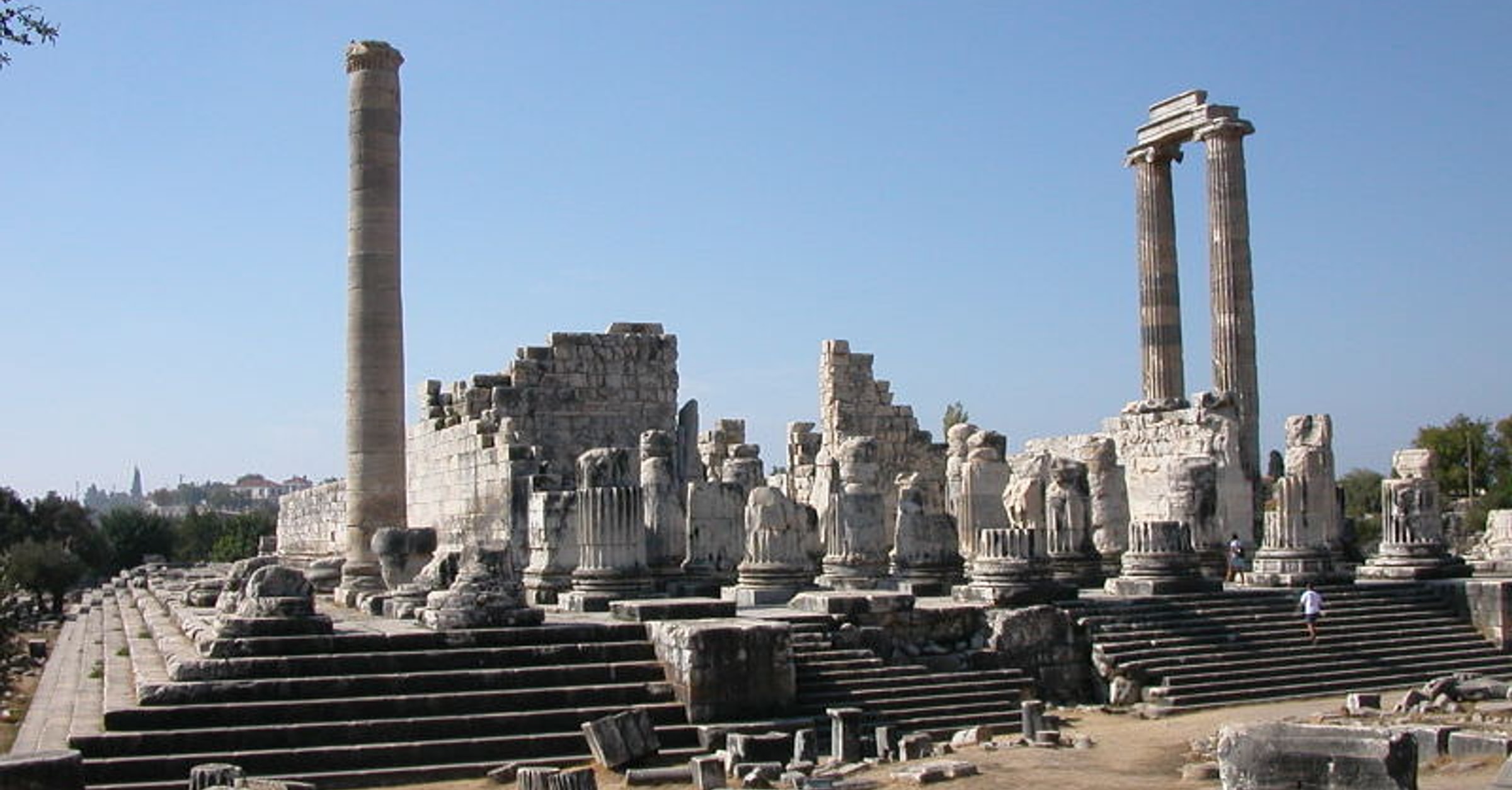
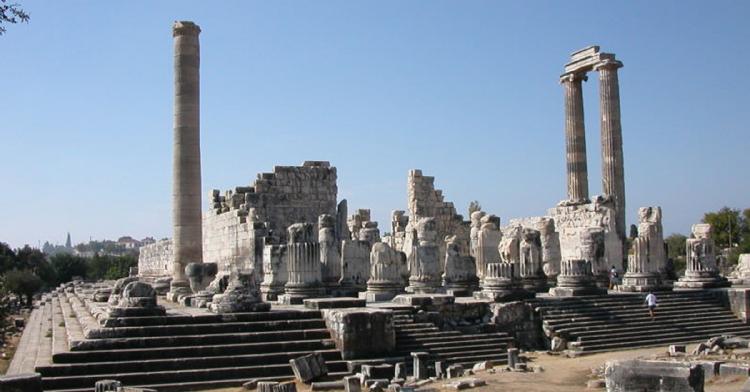
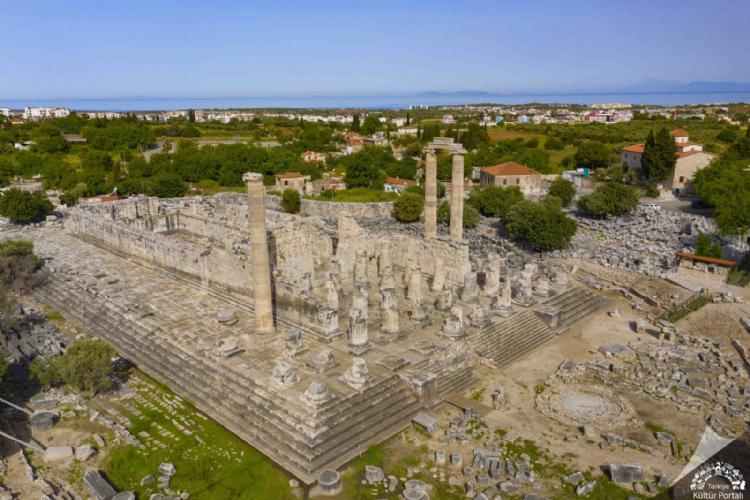
The Temple of Apollo in Didyma is considered one of the largest religious structures of the ancient world.
The temple leaves a powerful impression on visitors with its elevated platform and gigantic columns.
The structure was originally surrounded by a total of 108 Ionic columns.
Today, only three columns preserve their original height.
The inner section of the temple was left completely open, and it is known that the walls of the sacred area were once higher than 20 meters.
Head of Medusa
The Head of Medusa located at the entrance of the temple is one of the most recognizable symbols of Didyma.
This stone relief, which fell from a Roman-era structure, has today become the unofficial logo of the region.
The Medusa figure is used on postcards and souvenirs representing Didyma in many parts of Türkiye.
Sacred Well and Oracle Rituals
In ancient times, visitors performed purification rituals at the sacred well before entering the temple.
They then proceeded to the oracle center after offering sacrifices at the great altar.
As in Delphi, prophecies were delivered by female priestesses.
According to legends, the priestesses drank the sacred water, washed themselves with it, or inhaled vapors rising from the water.
Their words were then interpreted by priests and conveyed to the visitors.
Monumental Staircases and Tunnels
One of the most remarkable sections of the Temple of Didyma is its monumental staircases.
During festival periods, people watched ceremonies from these areas.
Ancient inscriptions left by visitors can still be seen on the stairs today.
Entrance to the inner section of the temple was provided through two large tunnels.
These tunnels still appear highly impressive even today.
Beaches Around Didim
Tavşanburnu Area
The northern shores of Didyma are quieter and more natural.
There are small camping areas and picnic spots in the Tavşanburnu region.
Thanks to its sheltered bay structure, the sea is generally calm.
Altınkum Beach
Located approximately 5 kilometers south of Didyma, Altınkum takes its name from its golden-colored sands.
Its shallow and wave-free sea makes it an ideal beach especially for families with children.
Numerous hotels, guesthouses, restaurants, and holiday resorts are located throughout the area.
Very lively during the summer season, Altınkum is the most touristic spot in Didim.
Best Time to Visit Didyma
The ideal time to visit Didyma is during the spring and autumn months.
Especially:
- April
- May
- September
- October
during these months, the weather is more suitable for exploring historical sites.
Sunset hours are also among the most impressive times to photograph the Temple of Apollo.
Places to Visit Near Didyma
- Ancient City of Miletus
- Ancient City of Priene
- Altınkum Beach
- Lake Bafa
- Akbük Bay
- Dilek Peninsula National Park
Conclusion
Didyma is not only an ancient city but also one of the most important oracle centers of the ancient world.
With its massive Temple of Apollo, mysterious oracle rituals, monumental columns, and impressive atmosphere, it offers visitors an unforgettable journey through history.
For everyone exploring Didim and its surroundings, the Ancient City of Didyma is among the places that must be visited.
Holiday Blog
Didim Bodrum Travel Guide
Didim and Bodrum are among the most popular holiday destinations in Turkey. With stunning beaches, rich historical heritage, and vibrant nightlife, they attract thousands of tourists every year. In this guide, you will discover the best activities to enjoy around Didim and Bodrum
Yunan Adaları Kapı Vizesi
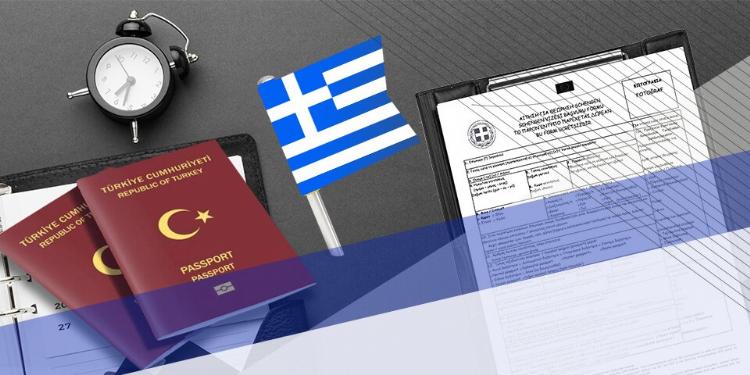
Yunanistan Kapı Vizesi Nedir? Yunanistan Kapı Vizesi, Türk vatandaşlarının Kos, Rodos, Meis, Midilli, Samos ve Sakız Adaları gibi popüler
Luxury Travel Experience in Didim: Exclusive Tours & Transfers for Anda Barut Collection Guests
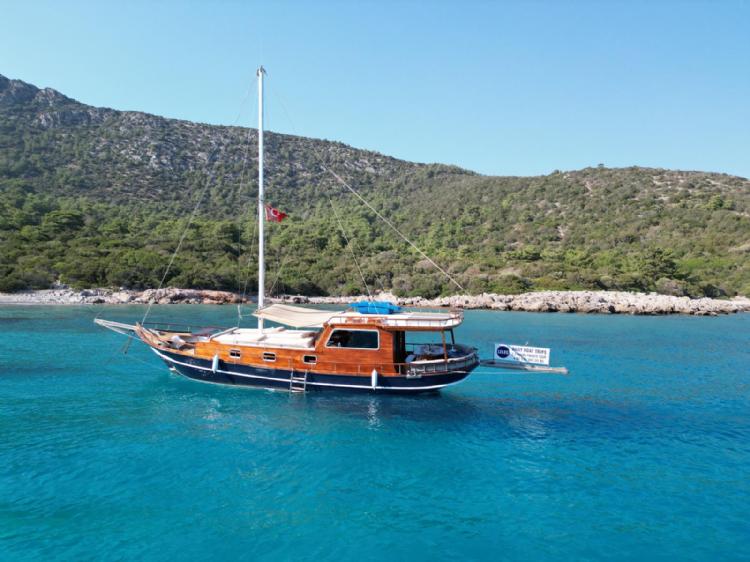
Discover premium travel services in Didim with Avesta Travel. Tailored tours, private transfers, and exclusive experiences for Anda Barut Co
Ultimate Guide to Didim Tours and Excursions | Best Activities & Day Trips
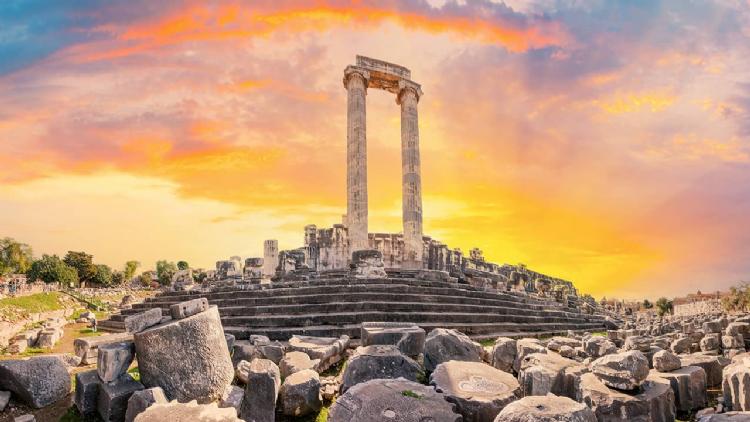
Explore the best Didim tours and excursions with our expert guide. Discover historical sites, adventure activities, boat trips, and more. Pl
Tours from Didim: The Most Popular Daily and Private Trips
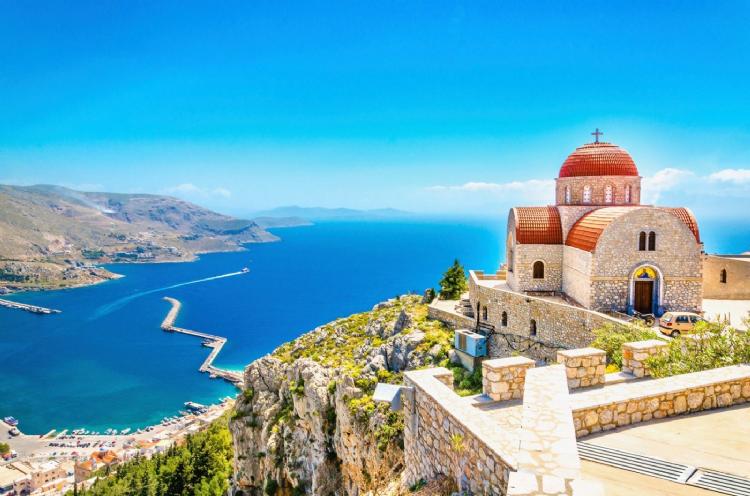
Didim is one of Turkey’s most beautiful holiday destinations, standing out with its natural beauty and historical heritage. The best way to

Discover Didim and Bodrum | Best Tours, Excursions & Activities
Explore the best excursions, daily tours, and activities in Didim and Bodrum. Find top attractions, budget-friendly tours, and adventure act
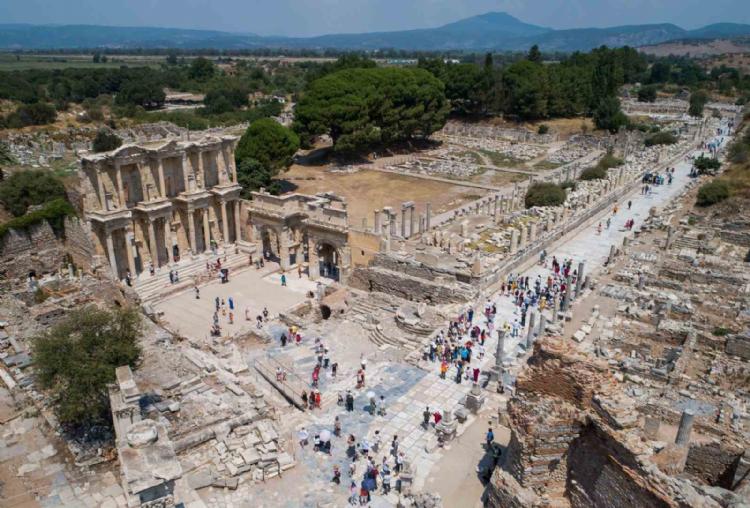
Bodrum to Ephesus Tour | Private Guided Tours & Historical Excursions
Experience an unforgettable private tour from Bodrum to Ephesus! Visit the Ephesus Ancient City, Library of Celsus, House of Virgin Mar

Didim Airport Transfers: Your Ultimate Guide to Comfortable and Safe Travel
From Bodrum to Didim in Style – Discover Private, VIP & Budget Transfer Options Looking for safe, luxurious, and budget-friendly airport

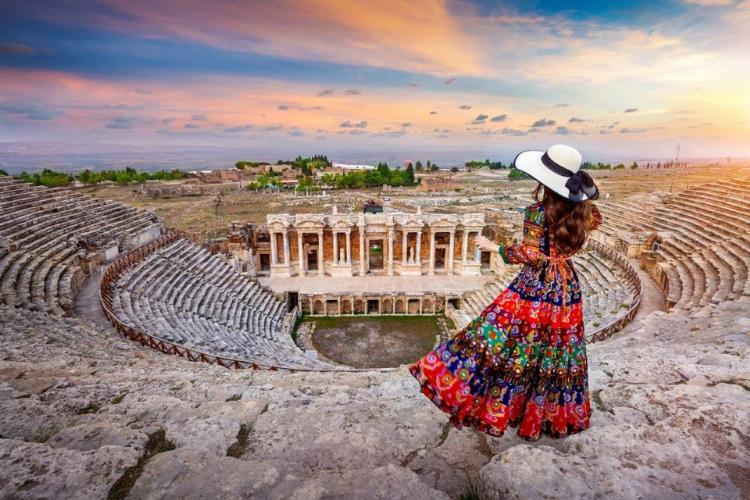
top 5 Cultural Tours from Didim: Discover Turkey’s Timeless Heritage
Uncover Ancient Civilizations, Sacred Sites, and Traditional Experiences from the Heart of Didim Explore the top 5 cultural tours from Didim
Fun and Adventure Trips in Altinkum
Experience Sea, Thrill & Exploration Tours from Altinkum Discover top fun and adventure tours from Altinkum – boat trips, water sports, jee

Didim Jeep Safari 2025 | Top Altinkum Excursion Tour
Off-Road Thrills & Scenic Views: Discover Didim’s Wild Side on This Full-Day Jeep Safari Explore Didim by Jeep! Ride through Akbük, Bozb

Didim Quad Safari Tour 2025 | Best Off-Road ATV Adventure in Türkiye
Roar Through the Aegean Trails: Explore the Wild Terrain of Didim on a Quad Bike Adventure Experience the thrill of quad biking in Didim wit
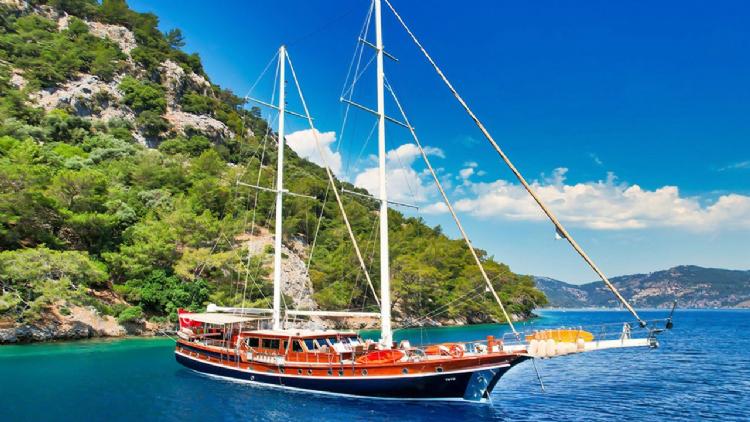
Didim Daily Boat Trip 2025 | Aegean Cruise with Swim, Sun & Fun
Explore the Aegean Coastline with a Daily Boat Trip from Didim — Swim, Sunbathe, Dine, and Discover Paradise Set sail on the Didim Daily Boa
Didim & Altinkum Tours | Airport Transfers & Daily Excursions in Türkiye
Didim & Altinkum Tours | Airport Transfers & Daily Excursions in Türkiye
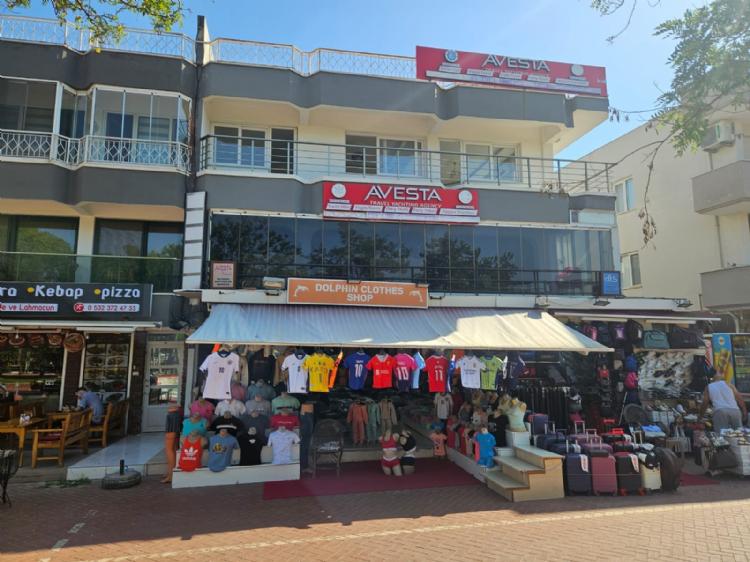
Local Tours from Didim – Ephesus, Pamukkale, Boat Trips & More!
Local Tours from Didim – Ephesus, Pamukkale, Boat Trips & More!
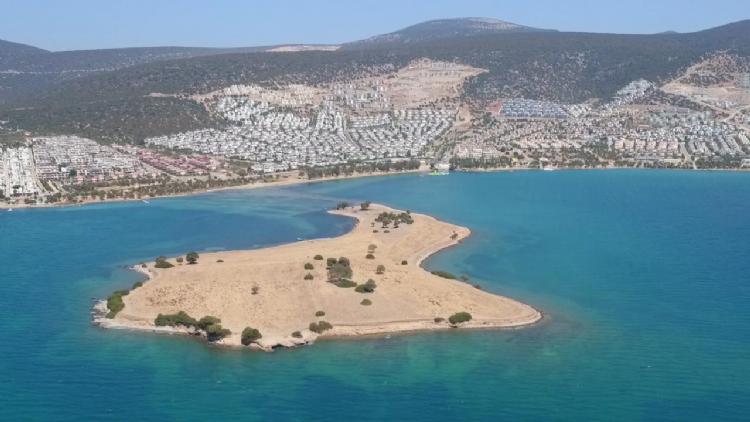
Unforgettable Akbük Day Trips: Explore Nature, History & Local Adventures
From Turquoise Bays to Ancient Temples — Discover the Best Day Tours Akbük Has to Offer Explore the most captivating Akbük day trips with de

Boat & Yacht Rental in Bodrum and Didim – Discover the Aegean by Sea
The Aegean Sea isn't just for swimming — it's for sailing, cruising, celebrating, and escaping. Whether you're staying in the
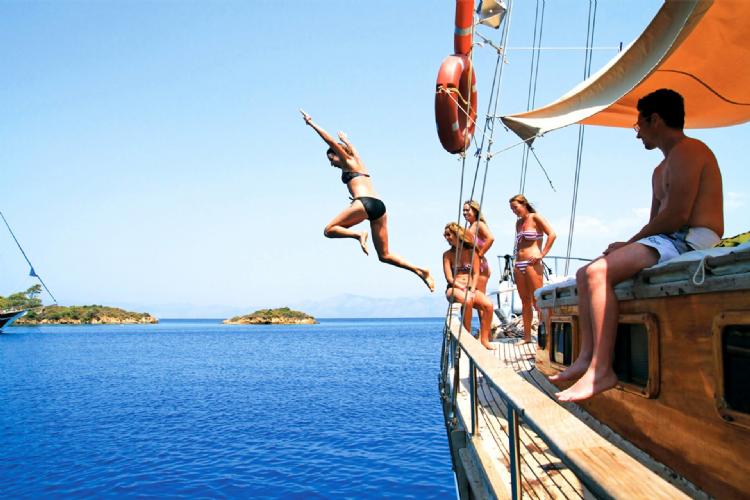
Bodrum Orak Island Boat Trip – Daily Chill-Out Cruise with Avesta Travel
Relax, swim, and explore Bodrum’s most scenic coves on a daily Orak Island boat trip. Book now with Avesta Travel and pay later! Join our Bo
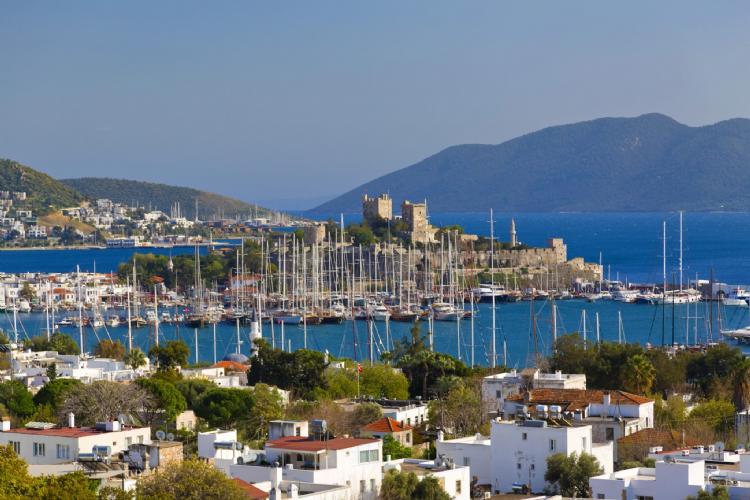
Vacation in Bodrum: The Most Popular Tours and Activities
Vacation in Bodrum: The Most Popular Tours and Activities for Unforgettable Memories Explore Bodrum Like Never Before: Top Tours, Hidden Gem
Bodrum Vacation Guide Tours, Sightseeing, Activities, and Day Trips
Tours, Sightseeing, Activities, and Day Trips
Transfers Bodrum Marina – VIP Transfers from Milas-Bodrum Airport by Avesta Travel
Private transfers to Bodrum Milta Marina, Cruise Port & Halikarnas with Avesta Travel. Book your 24/7 airport transfer today. Avesta Tra
Private Transfers from Bodrum Airport to Aquasis De Luxe Resort & Spa, Didim
Book your private transfer from Bodrum Airport to Aquasis Deluxe Resort in Didim. Safe, affordable, and luxury options available.Need a Didi
Didim Daily Tours – Best Day Trips & Activities in Aegean Turkey
From Ancient Temples to Turquoise Waters: Discover the Best Daily Tours and Excursions in Didim Explore top-rated Didim daily tours includin
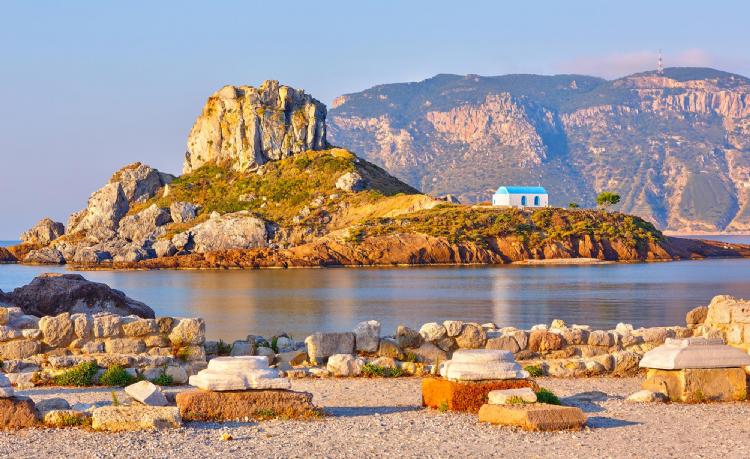
Day Trip from Didim to Kos Island – Discover Greece in a Day
Cross Borders with a Smile: Explore the Charm of Kos Island on a Daily Ferry Tour from Didim Join a full-day trip from Didim to Kos Island a
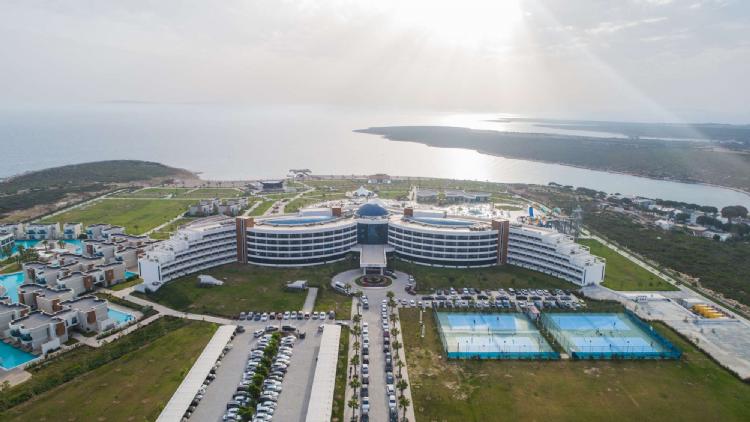
Aquasis De Luxe Resort & Spa | Luxury, Nature, History and Adventure in Didim
Stay at Aquasis, Discover Didim with Aveesta Travel: Ancient Temples, Hidden Bays, and Unforgettable Experiences Aquasis De Luxe Reso
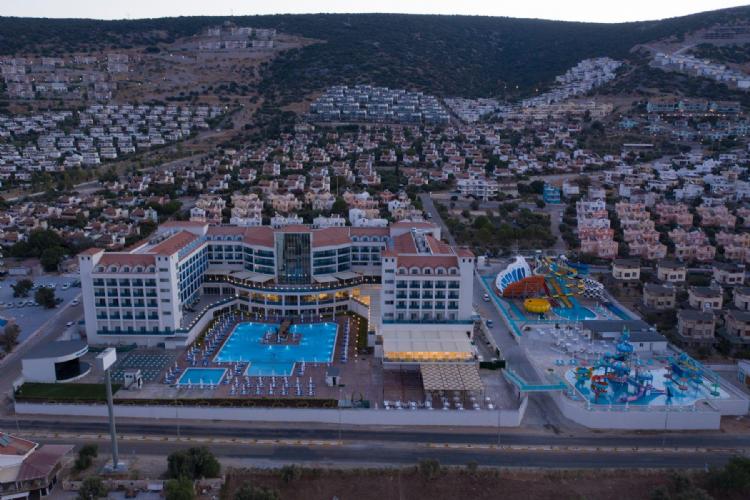
Maxeria Hotel Blue Didyma | A Luxurious, Fun-Filled & Exploratory Holiday in Akbük, Didim
Stay at Maxeria Blue Didyma, Visit the TempMaxeria Hotel Blue Didyma offers more than just an ultra all-inclusive family vacation with its a

Affordable Transportation Guide from Kos Airport to Bodrum and Didim (2025)
In the summer of 2025, getting from Kos Island Airport to Bodrum or Didim is both affordable and easy! Discover flight, ferry, and transfer
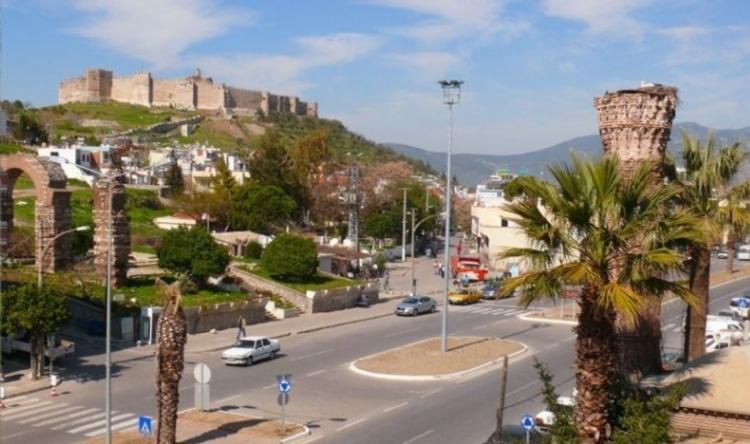
Historical Places to Visit in Selçuk
Historical Places to Visit in Selçuk: Ayasuluk Hill, Basilica of St. John, and the Archaeological Museum
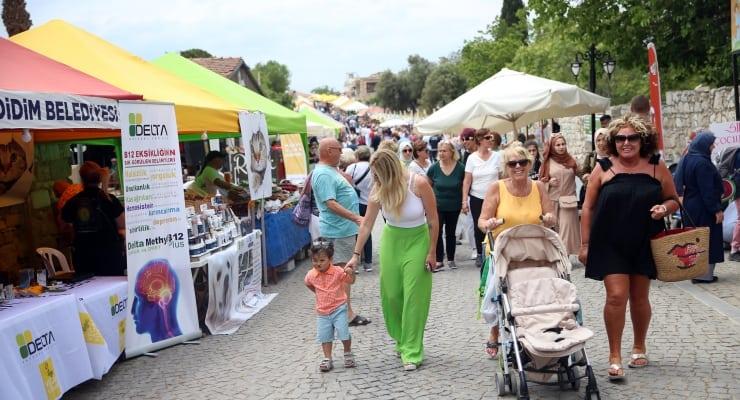
VeganFestivalDidim
Let’s meet in Didim from May 20 to 22! Held in the magical atmosphere of the Temple of Apollo, this unique event will feed your soul while

Didim Lavender Festival 2025
Discover the Purple Charm of the Aegean!The Didim Lavender Festival is one of the most anticipated nature events of the summer for those who
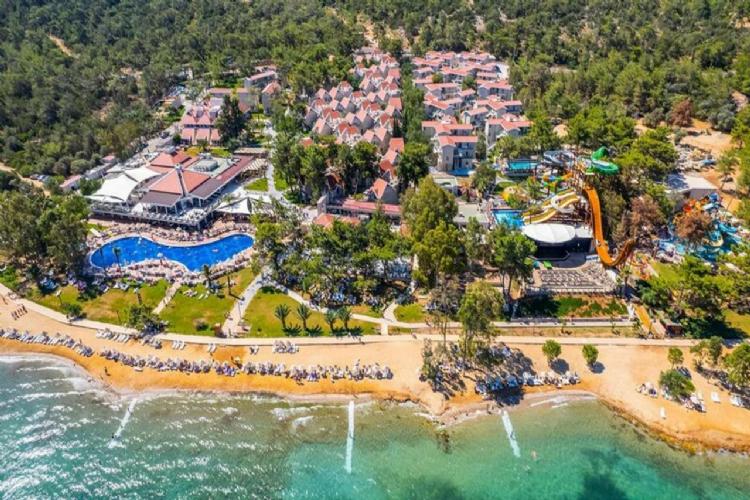
A Fairytale Holiday in Didim Akbük: Long Beach Club Nature
Long Beach Club Nature, which is ideal for those looking for a holiday surrounded by nature in Didim, is located in the middle of lush pine
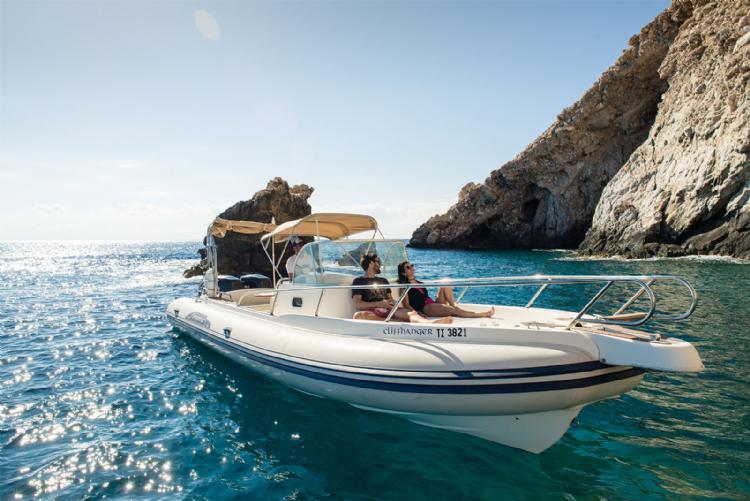
Avesta Travel in Didim & Bodrum!
Unforgettable Holiday Experiences with Avesta Travel in Didim & Bodrum! At Avesta Travel, we're dedicated to creating unique and u
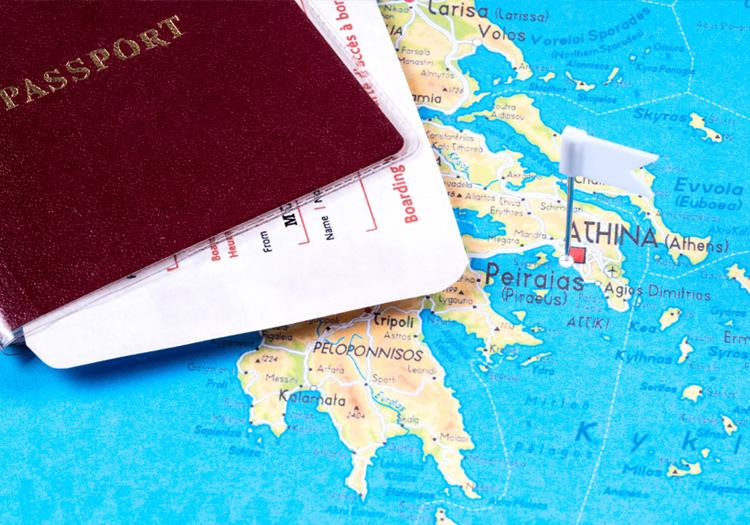
Didim Vize Ofisi – Yunanistan ve Kapı Vizesi İşlemleri
Didim’de profesyonel vize danışmanlık hizmeti arıyorsanız, doğru yerdesiniz!
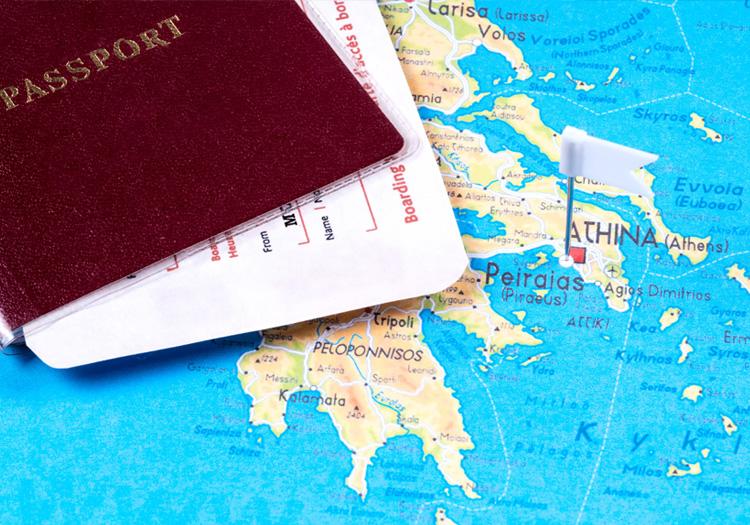
Didim ve Bodrum’dan Yunan Adalarına Kapı Vizesi
Bodrum kapı vizesi ile günübirlik Kos turu Bodrum çıkışlı Yunan adası kapı vizesi Didim'den Kos adasına feribot ve vize Yunan adalarına
Didim'den Kos Adası'na Feribotla Geçiş
Didim'den Kos Adası'na nasıl gidilir? Didim Kos feribot seferleri 2025 Didim çıkışlı Kos feribotu saatleri Didim’den Kos
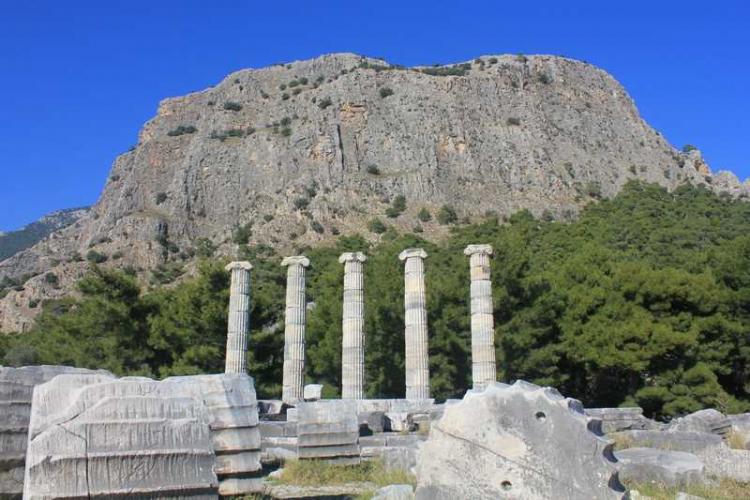
Priene Ancient City Travel Guide 2026: The Silent Ancient Treasure of the Aegean
Priene, one of the most impressive ancient cities of the Aegean Region, is a unique discovery route where history and nature intertwine.
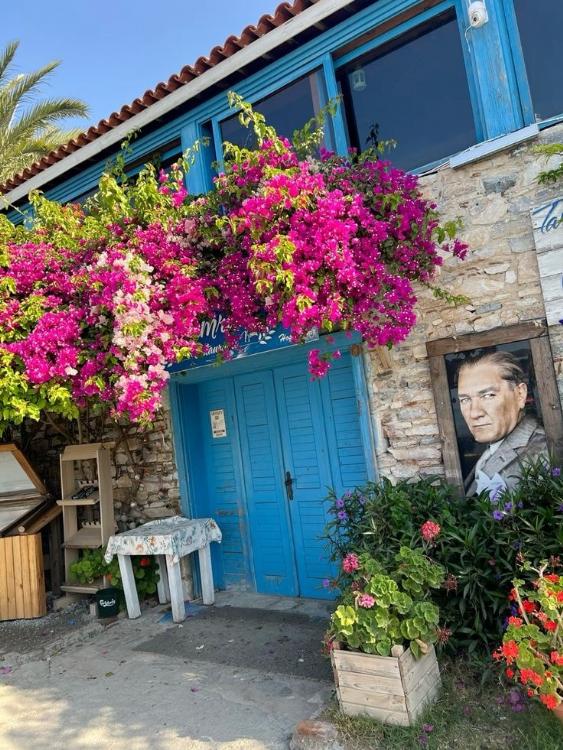
Bodrum Travel Guide 2026: Must-See Places in the Aegean’s Most Popular Holiday Destination
Bodrum travel guide 2026: Places to visit in Bodrum, the most beautiful bays, beaches, historical sites, dining recommendations, and holiday

Bodrum and Turgutreis to Kos, Leros and Kalymnos
For ferry services from Bodrum and Turgutreis to Kos, Leros and Kalymnos, www.bodrumkosferry.com is a reliable and secure online reservation

Didim & Bodrum Gastronomy Tours | Aegean Cuisine
Discover authentic Aegean flavors with gastronomy tours from Didim and Bodrum including wine tasting, local markets, and gourmet experiences
Bodrum Excursions 2026 | Boat Trips & Adventure Tours
Discover the best Bodrum excursions, boat trips, jeep safaris, cultural tours, and family-friendly activities on Turkey’s Aegean coast.Bodru
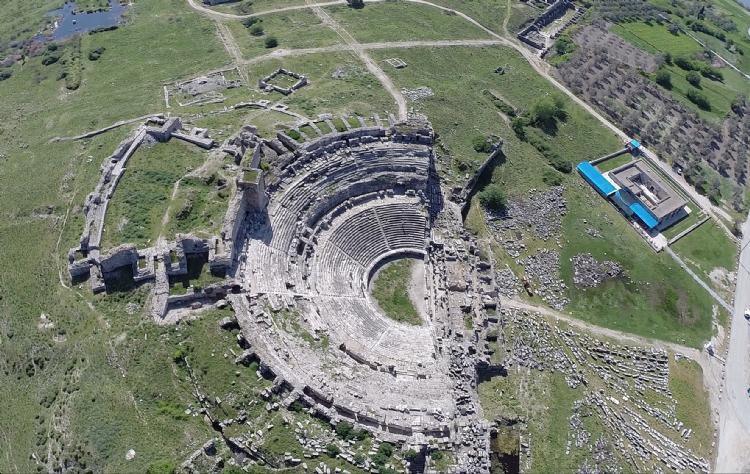
Miletus Ancient City Travel Guide
Miletus Ancient City Travel Guide: One of the Largest Port Cities of the Ancient World
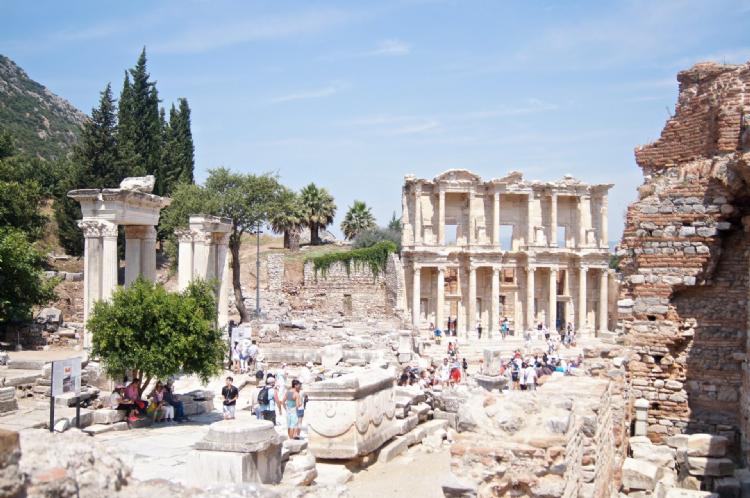
Ephesus Ancient City Guide | History, Highlights and Travel Tips
Discover the Ancient City of Ephesus, including the Library of Celsus, Great Theatre, Terrace Houses and Temple of Artemis with useful trave
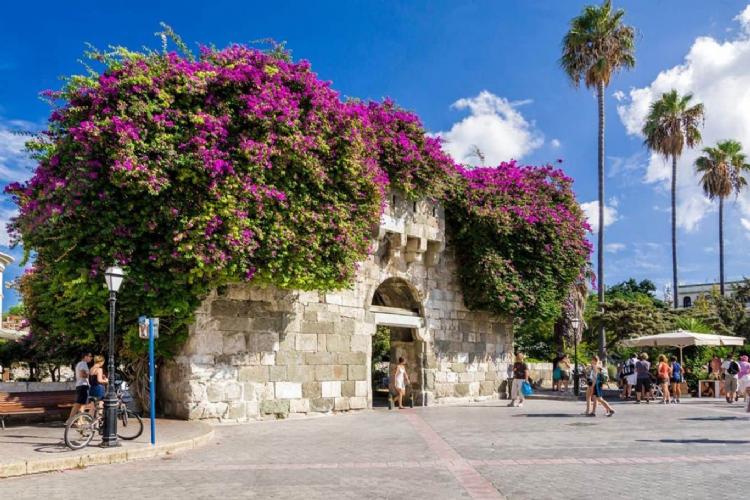
Bodrum to Kos Ferry | Schedules, Tickets & Travel Info
Learn everything about the Bodrum to Kos ferry route, including travel times, ticket options, visa requirements, and useful travel tips for
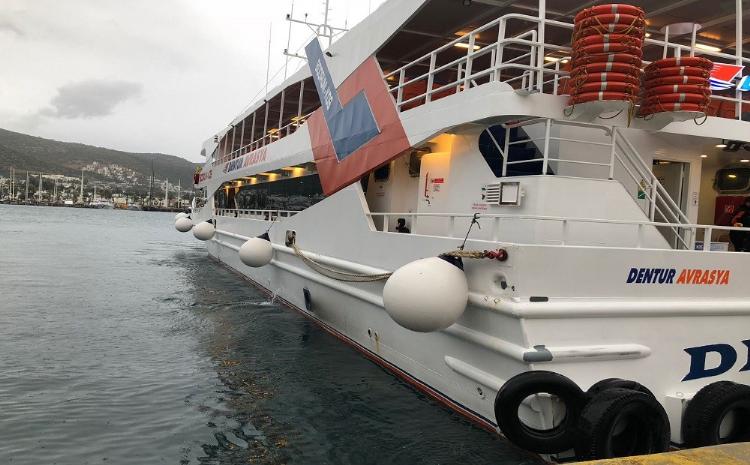
Turgutreis to Kos Ferry Ticket | Easy Bodrum to Kos Travel
Book your Turgutreis to Kos ferry ticket online and enjoy fast, comfortable travel from Bodrum to Kos Island with convenient ferry connectio

Quad Safari Bodrum | Off-Road ATV Adventure
Experience the thrill of Muddy Quad Safari Bodrum with off-road ATV tracks, forest trails, guided tours and free hotel transfers.Muddy Quad

Bodrum Airport Transfer | Private, VIP & Shuttle Services
Book your Bodrum Airport transfer online for safe and comfortable transportation from Milas Bodrum Airport to hotels and resorts across Bodr
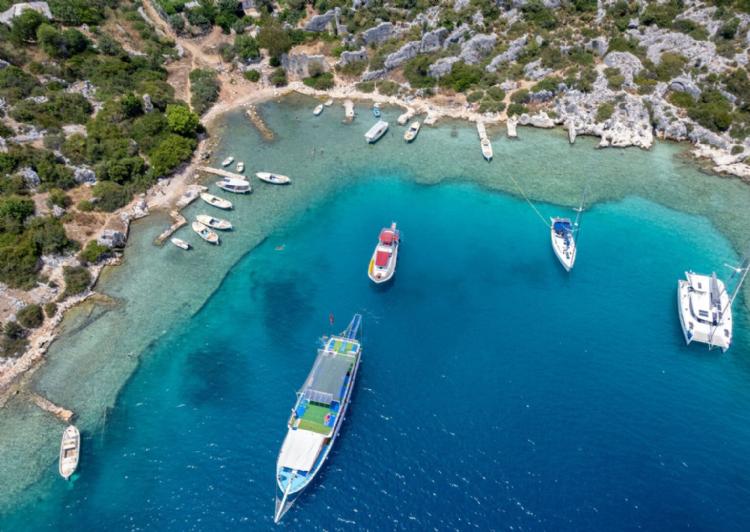
Bodrum Boat Tours | Private Yacht, VIP & Orak Island Cruises
Discover Bodrum’s turquoise bays with private boat tours, VIP yacht charters, Orak Island cruises, sunset trips, and all-inclusive sea adven
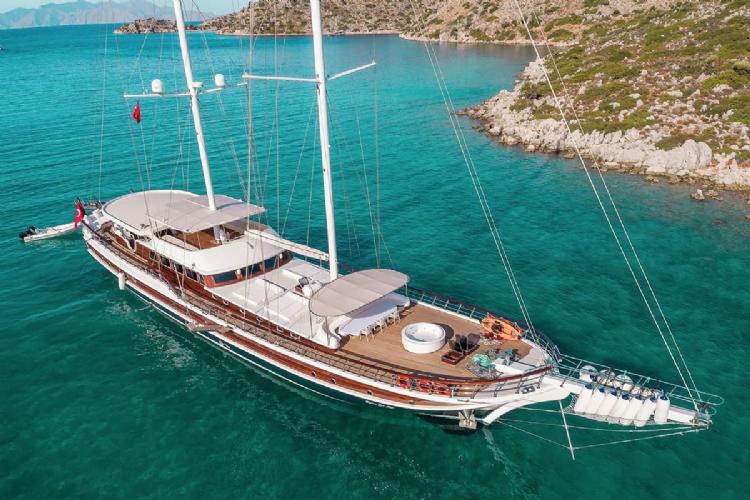
Bodrum Yacht Rental | Private Boat Tours, VIP & Luxury Yachts
Discover premium yacht rental in Bodrum with private boat tours, VIP yacht packages, luxury charters, romantic cruises, family-friendly expe
Bodrum to Six Senses Kaplankaya Transfer | VIP Boat Service
Enjoy a seamless Bodrum to Six Senses Kaplankaya transfer with VIP boat services, luxury transportation, private meet and greet, and flexibl
Special holiday deals for you away from the crowd
Enjoy a safe and healthy holiday in Didim and Bodrum with vacation villas! Don’t miss out on exclusive holiday deals in the most affordable rental villas in the Didim and Bodrum regions.
Enjoy an isolated holiday with your loved ones in the crystal-clear waters and unique bays of Didim and Bodrum. Set sail in the stunning coves of the Aegean and Mediterranean and create unforgettable memories!